


Footwear liquidation lots look simple: boxes of shoes, sorted by type. In practice, shoes are one of the most size-sensitive categories you can resell, and a pallet full of the wrong sizes can sit for months. This guide explains how to read the size mix before you buy, how to handle pairing and cleaning, and where different kinds of shoes sell.
Why size mix matters more than brand
A shopper does not buy “a shoe.” They buy their own size. A pallet that is heavy in one narrow range will sell that range quickly and leave you holding the rest. That is why experienced buyers ask about the size curve, which is simply how the sizes are distributed across the lot.
In a healthy mixed lot, mid-range sizes are the most plentiful and the very small and very large sizes are fewer. Very small and very large sizes also tend to be harder to move, so a lot that is all outliers needs a specific buyer in mind. If the listing includes a manifest, check the size column. If it does not, ask for a category breakdown and any size information the seller has.
Men’s, women’s, and kids’ sizing are separate worlds. A mixed pallet may include all three, so sort them apart on day one. Do not assume a men’s size and a women’s size are interchangeable, because the conversion differs and mislabeled sizes lead to returns.
Sort on arrival: a practical routine
Set up a few tables or shelving bays before the shoes are unpacked. Then work through the stock in the same order every time.
- Separate by gender and age group: men’s, women’s, kids’.
- Within each group, sort by type: sneakers, boots, sandals, dress shoes, slippers.
- Within each type, sort by size from smallest to largest.
- Pull any pair with visible damage, missing laces, or sole separation into a repair-or-discard bin.
- Check each shoe for the size marked inside, since the box label and the shoe do not always agree.
- Record the count per size in a simple sheet.
That sheet becomes your buying guide for the next order. If you keep running short in one range, you know what to ask for.
Pairing and matching loose shoes
Some lots include loose shoes or mismatched boxes. Matching takes patience, but there are quick checks.
- Match style, color, and material first, then confirm the size marking on both tongues or insoles.
- Compare sole pattern and stitching. Two shoes with the same size but a different production run can differ slightly in shade.
- Left and right should both be present. A sandal pair with two left feet is not a pair.
- If you cannot find a mate, set the single aside. Single shoes can go to a bulk flip, or to a buyer who needs a replacement or has an unusual foot size.
Keep a small tub of odd singles sorted by brand. Mates sometimes show up in later pallets, and a tub that is organized pays you back over time.
Cleaning, boxing, and presenting
Clean shoes sell for more, because they look cared for. Use a soft brush and mild soap on outsoles, a damp cloth on uppers, and a dry cloth to finish. Do not soak leather or suede. For suede, use a proper suede brush and eraser. Stuff the toe box with tissue or paper to help it hold its shape as it dries.
Replace missing laces if you have matching ones, and wipe insoles. Then put the pair in its own box with paper inside, tied or taped so the shoes do not rub. If the original box is damaged, use a plain shoe box and note it in the listing. Buyers of sneakers care about the original box, so say plainly whether it is included.
Photograph a clear set of angles: side view, top, sole, heel, the inner label with size, and any flaw. Use the same background every time. Good photos answer questions before buyers ask.
Online platforms versus local sales
Different shoes belong in different places. Here is a quick guide to choosing.
- Sneaker resale platforms: best for current-style athletic shoes in popular sizes, where buyers search by model and size. Expect to ship, photograph carefully, and keep to the platform’s rules on condition.
- General marketplaces: a good home for everyday shoes, boots, and kids’ shoes, where buyers search by brand and size.
- Local sales and pickup: good for bulky winter boots, work boots, and anything with high shipping weight. Buyers can try them on, which cuts down on size returns.
- Bulk flips: the right place for incomplete sizes, singles, or stock you do not want to list one by one.
Seasonal timing helps too. Boots and cold-weather footwear belong in the front of your shop as the weather turns; sandals and light sneakers do better as it warms. You can browse the Winter Footwear Lots category to stock ahead of the cold months.
Shipping shoes without surprises
Ship each pair in its own shoe box, and put that inside a sturdy carton with paper filling. Do not ship the shoe box alone, because it will arrive crushed. For multiple pairs, stack them in a carton so nothing slides. Tape both seams.
Include a printed note with the size, so the buyer can confirm it at a glance. Sizing is the usual cause of footwear returns, so clear measurements and a size chart in your listing prevent a lot of friction.
Choosing lots that fit your selling plan
If you sell mostly online to sneaker buyers, the Sneaker Wholesale Lots category is the natural place to start. If you want a wider range of everyday styles, the Shoe Wholesale Lots category covers more types. In either case, ask for the manifest, or a category breakdown, and check how the sizes are distributed before you pay.
FAQ
Do mixed-size shoe pallets sell evenly?
Not usually. Mid-range sizes move first, so you should plan to hold the outliers longer or bundle them in a bulk flip.
Should I keep the original shoe boxes?
Yes when they are in good condition. Sneaker buyers often want the box, and a clean one helps shoes look cared for.
Are returns a problem with shoes?
Size is the main cause. Give accurate measurements, photograph the inside label, and state the condition clearly. On the buying side, remember our 14-day returns window if a lot does not match its description.
Ready to build your stock? Browse the full shop all lots page and pick the footwear lots that suit your size plan.
Ready to stock up?
Shipping to your door is covered in every listed price, so checkout shows no separate freight charge. Curious what a pallet holds? Message us and we will send its latest manifest ahead of your order.
Cookies help this website work as it should. If you carry on browsing, you accept our cookie policy.
I AcceptYour Cart
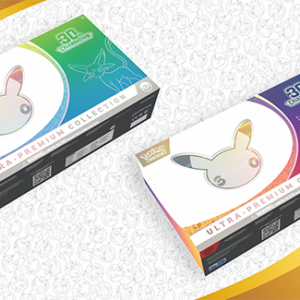
30 Sealed Pokemon Ultra-Premium Anniversary Collections, Daytime and Night
Price range: $1,250.00 USD through $3,750.00 USD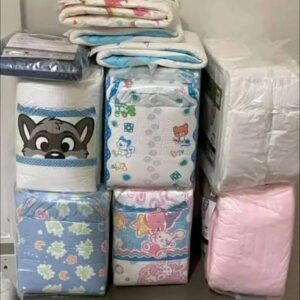
Adult Diaper Pallet: 300 Packs of Absorbent Products, Mixed Brands and Sizes
Price range: $350.00 USD through $1,000.00 USD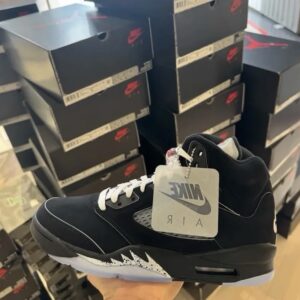
All Categories
Search
30 Sealed Pokemon Ultra-Premium Anniversary Collections, Daytime and Night
Price range: $1,250.00 USD through $3,750.00 USDAdult Diaper Pallet: 300 Packs of Absorbent Products, Mixed Brands and Sizes
Price range: $350.00 USD through $1,000.00 USD