

Vetting a liquidation supplier takes an hour or two of homework, and it protects your cash far better than any discount will. Wholesale liquidation is a trust business: you pay first, freight moves later, and you often cannot touch the goods until they land. This guide covers what a legitimate wholesaler puts in front of you, what to ask, and what should make you pause.
Start with what the listing itself tells you
A serious seller describes the lot the way a buyer needs it described. Look for the category, the unit count, the condition grade, the retail source (for example, a big-box return stream or a brand overstock), and the pallet or truckload format. If a page says only “amazing electronics pallet, huge value” with a single stock photo, you have learned nothing you can plan around.
Good listings also explain how the lot was assembled. Many lots come with an itemised manifest, a line-by-line list of what is on the pallet. Others are described by category breakdown instead, and a reputable seller will send that breakdown when you ask. Either is fine. A seller who has neither, and shrugs when asked, is telling you they do not know what they are shipping.
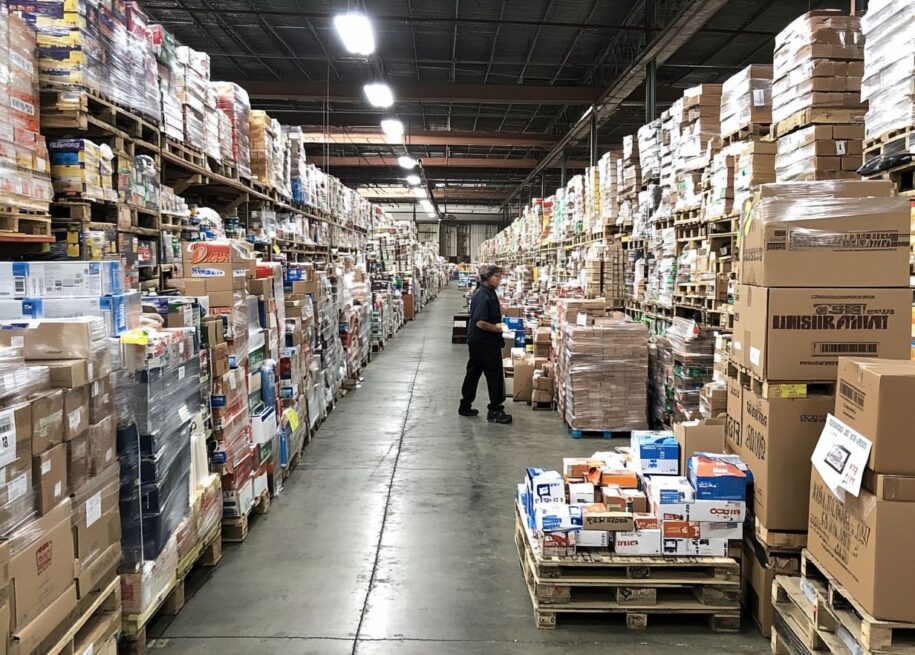
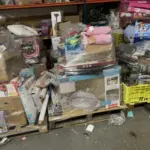
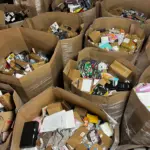
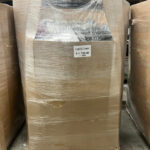
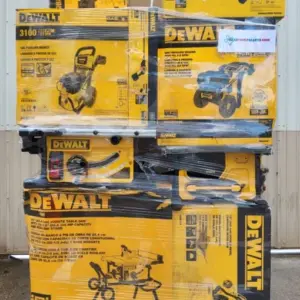
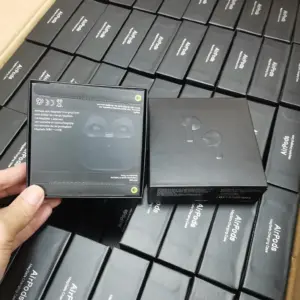
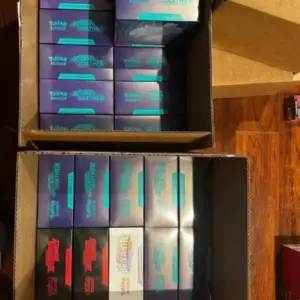
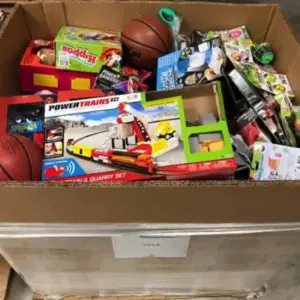
Check that the photos match the lot. Real photos show wrapped pallets, shelf labels, or the actual goods, and they change from lot to lot. The same image repeated across every listing is a sign nobody looked at the inventory.
Read the terms before you read the price
Open the policy pages first. You want plain language on four things: how lots are graded, what the return window is, how shipping works, and which payment methods are accepted. Our own returns policy is an example of the level of detail to expect: a stated window (14 days for us), a stated process, and no vague wording that lets the seller decide later.
Compare the grade definitions to the goods. Grading at lot level means the whole pallet is rated as a group, so a few units will sit above or below the grade. That is normal. What you want to see is a written definition of each grade, so you can hold the seller to it.
Watch for terms that quietly remove all your options, such as blanket clauses that deny every complaint, or terms that contradict the listing. If the page says one thing and the checkout says another, ask which one governs before paying.
Questions to ask before you buy
Send these in writing so you have a record. A good supplier answers them directly and without irritation.
- Is there an itemised manifest for this lot, or a category breakdown I can review first?
- How is the lot graded, and is the grade applied to the whole lot?
- What is the return window, and what has to be true for a return to be accepted?
- Is freight included in the price you quoted, and does that cover the delivery address I gave you?
- Is liftgate delivery available, and what do you need from me to book it?
- When is tracking sent, and who do I contact if the carrier reports a problem?
- Which payment methods do you accept, and is the payment link issued from the same business name I am buying from?
Notice how many of these are answerable in a sentence. Slow, evasive, or copy-pasted replies tell you as much as the content does.
Payment methods and what they signal
Legitimate wholesalers offer several ordinary ways to pay: a card payment link, Apple Pay, Zelle, Cash App, bank transfer, and others. Having options is a good sign. What matters is that the recipient name matches the business you are dealing with, and that you get a written invoice or order confirmation that lists the lot, the price, and the freight terms.
Be careful when the only route is one that cannot be traced or reversed, when the account name has no connection to the seller, or when the price changes the moment you say yes. Card payments through a link give you a dispute path that a casual bank-to-person transfer does not, so use the method that fits the size of the order and your comfort.
Red flags worth slowing down for
None of these alone proves anything, but two or three together should send you to ask more questions or walk away.
- Prices far below anything comparable, with no explanation for the gap.
- Pressure to pay in the next hour or lose the lot.
- No physical business details, no support address, and replies only through a messaging app.
- Refusal to share a manifest or breakdown, or to answer how the lot was graded.
- Terms that never mention returns, or that mention them only to deny them.
- Reviews that all sound identical, or no history anywhere you can verify.
- A request to move the conversation off the seller’s website before any paperwork exists.
Do not accuse anyone from a hunch. Simply decline to buy until the answers are in writing and make sense.
A step-by-step vetting routine
- Read the listing and note anything missing: unit count, grade, source, format.
- Read the shipping, returns, and FAQ pages in full.
- Send your written questions and wait for the answers.
- Ask for the manifest or category breakdown and check it against the listing title.
- Confirm the freight terms, delivery type, and tracking process in the order confirmation.
- Pay with a method that leaves a record and matches the seller’s business name.
- When the lot arrives, inspect it right away and compare it with what you were told. Report problems inside the return window.
If you are new, test with one lot before committing to several. A single pallet is a cheap way to learn how a supplier communicates, how accurate the grading is, and how smooth the freight is. Our shipping and freight page shows the kind of delivery detail you should expect from anyone you buy from.
Keep a supplier scorecard
After each order, spend five minutes writing down how it went. Note whether the lot matched its description, how fast questions were answered, whether the freight was booked as promised, and whether the tracking email arrived when it was supposed to. After three or four orders you will have a clear picture, and it is far more reliable than a star rating.
Resellers who last tend to keep two or three vetted sources rather than chasing the cheapest listing each week. If one source has a bad lot, you have another. That habit also gives you leverage, since a supplier who knows you compare carefully will usually work harder to keep you.
FAQ
Is it safe to pay a liquidation supplier before seeing the goods?
That is how the industry works, since freight is booked after payment. You reduce the risk by reading the terms, getting written answers, asking for a manifest or breakdown, paying through a traceable method, and starting with a small order.
What if the supplier will not send a manifest?
Ask for a category breakdown instead. Some lots are sold without a line-by-line list, and that can be acceptable when the seller describes the contents clearly. If they offer neither, treat it as a reason to hold off.
How do I know the grade is fair?
Compare the written grade definition to what you receive, then keep in mind that grading is done at lot level. If the lot is clearly worse than described, contact the seller and use the return window.
If you want to see what a clear listing looks like, browse the shop all lots page, then use our contact page to ask us the same questions you would put to any supplier.
Ready to stock up?
Shipping to your door is covered in every listed price, so checkout shows no separate freight charge. Curious what a pallet holds? Message us and we will send its latest manifest ahead of your order.
Cookies help this website work as it should. If you carry on browsing, you accept our cookie policy.
I AcceptYour Cart

30 Sealed Pokemon Ultra-Premium Anniversary Collections, Daytime and Night
Price range: $1,250.00 USD through $3,750.00 USD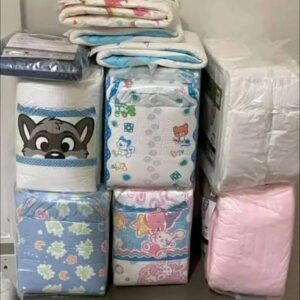
Adult Diaper Pallet: 300 Packs of Absorbent Products, Mixed Brands and Sizes
Price range: $350.00 USD through $1,000.00 USD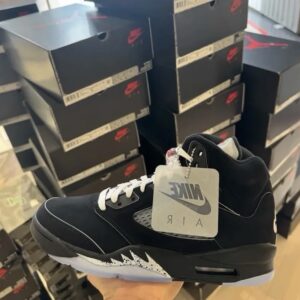
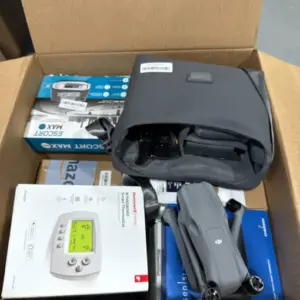
All Categories
Search
30 Sealed Pokemon Ultra-Premium Anniversary Collections, Daytime and Night
Price range: $1,250.00 USD through $3,750.00 USDAdult Diaper Pallet: 300 Packs of Absorbent Products, Mixed Brands and Sizes
Price range: $350.00 USD through $1,000.00 USD